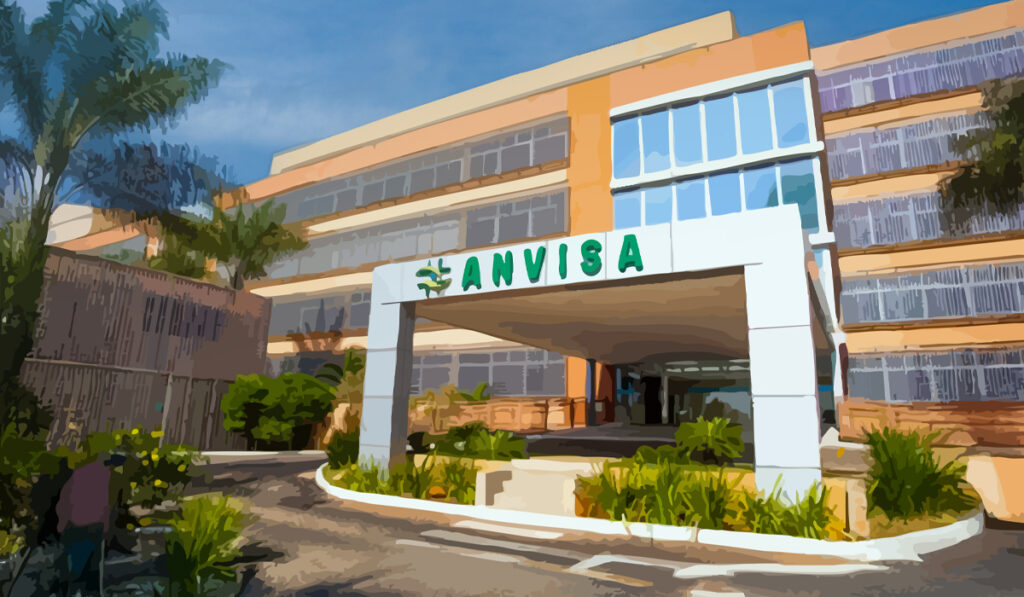
Brazil’s well being regulator has launched a brand new technical session to collect scientific proof on industrial hemp cultivation, providing a restricted however notable signal of regulatory movement after a number of years of repeated delays.
The Nationwide Well being Surveillance Company (Anvisa) is accepting scientific research on the cultivation of commercial hemp till Dec. 12. The analysis is meant to tell the technical foundation of a future regulation governing hemp cultivation in Brazil.
The initiative is framed strictly as an evidence-gathering train. Anvisa is just not offering funding, incentives, or participant analysis. As a substitute, it’s assembling present scientific literature from journals and analysis repositories as groundwork for future rulemaking.
Technical foundation
A specialised Anvisa committee will assessment and set up the submitted research. The outcomes will probably be revealed in a public technical report, which the company says will function the scientific basis for any future hemp rising guidelines.
The method follows a number of years by which proposed laws had been repeatedly delayed, most lately after federal authorities cited the complexity of rulemaking and the necessity for added technical evaluation.
The renewed give attention to assembling proof suggests regulators are rebuilding the executive document after these stalled efforts.
Brazil’s Superior Courtroom of Justice (STJ) one 12 months in the past affirmed that Anvisa and the federal authorities have authority to control cultivation of Hashish sativa for medicinal and pharmaceutical functions, and individually confirmed that this authority extends to industrial hemp. In apply, the present regulatory course of applies to non-intoxicating hemp slightly than marijuana. It doesn’t, nonetheless, acknowledge hemp for its non-medical purposes.
Scope of research
Anvisa is accepting revealed research written in Portuguese, English, or Spanish. Areas of curiosity embody cannabinoid profiles; THC and CBD testing strategies; agronomy and local weather zoning; hemp genetics and plant traits; traceability, high quality management, and cultivation practices; and comparative authorized and socio-economic frameworks.
The emphasis on agronomy, genetics, and compliance displays ongoing debate over Brazil’s readiness to help home hemp cultivation within the absence of an outlined licensing system.
Embrapa position
The scientific name follows Anvisa’s current determination to grant Brazil’s agricultural analysis company, Embrapa, an distinctive authorization to conduct industrial hemp cultivation analysis.
Below the authorization, Embrapa might develop hemp topic to on-site inspections and strict safety, security, and traceability necessities. Commercialization of any materials derived from the analysis is prohibited. Solely plant materials not appropriate for propagation could also be transferred to different approved analysis establishments.
The approval positions Embrapa as a key technical contributor to the evidentiary base informing future hemp regulation.
Authorized limits
Regardless of court docket rulings and renewed regulatory exercise, industrial cultivation of commercial hemp in Brazil stays unauthorized, together with for fiber, grain, seed-based meals merchandise, and different industrial purposes.
There may be presently no nationwide licensing framework permitting farmers to develop hemp commercially. Imports of hemp-derived merchandise are permitted underneath particular circumstances, and cultivation is allowed solely on an distinctive, tightly managed analysis foundation pending formal rulemaking.
The present Anvisa course of doesn’t set up a timeline for regulation, nor does it deal with unresolved coverage questions reminiscent of THC thresholds, licensing fashions, or industrial manufacturing guidelines. As a substitute, it alerts an incremental method — reinforcing the scientific and authorized basis for hemp-specific regulation earlier than advancing to formal authorization.