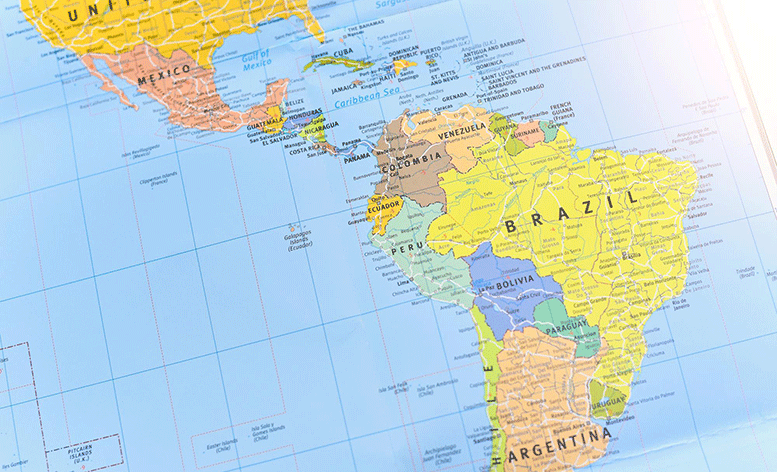
Brazil’s main agricultural analysis establishment, Embrapa, is urging regulators to lift the nationwide THC restrict for hemp from 0.3% to 1.0% — a shift it says is crucial if Brazil is to compete with neighbors equivalent to Argentina
The change might unlock industrial, medicinal, and research-driven alternatives, the company mentioned throughout a current expo in São Paulo.
Why 1.0% issues
Elevating the restrict would instantly broaden the vary of hemp genetics out there to Brazilian farmers. A 1.0% cap additionally makes CBD manufacturing extra economical as a result of CBD focus rises proportionally with THC in most cultivars. The change would additionally defend farmers from crops going “scorching,” or over the 0.3% restrict, which may imply monetary losses.
Lastly, a better threshold would additionally permit plant breeders to develop extra region-specific varieties, accelerating R&D that has been stalled by regulatory constraints.
Many international locations nonetheless anchor hemp regulation round a 0.3% THC restrict, a restrict broadly utilized in North America and elements of Europe, however a rising group has moved to a full 1.0% to provide farmers extra respiratory room. Non-EU member Switzerland permits industrial hemp with THC ranges under 1.0%, treating it as non-drug hashish as long as it meets that threshold.
The Czech Republic equally raised its on-farm hemp restrict to 1.0%, explicitly bringing its guidelines into line with Switzerland. Uruguay additionally attracts the road between mariuana and industrial hemp at 1.0% THC.
Caught in impartial
Regardless of its mandate to steer agricultural innovation, Embrapa nonetheless lacks authorization from federal well being regulator Anvisa to domesticate hashish for scientific functions. Researchers should depend on partnerships with associations to entry plant materials, slowing progress at a second when opponents are scaling up.
Lilia Salgado, Deputy Head of Analysis and Growth at Embrapa, mentioned Anvisa might want to set clear guidelines for plant yield, THC ranges, and chemical composition—requirements which can be important for producing the plant-based lively substances utilized in medicines.
The decision for a 1.0% restrict comes amid a protracted regulatory saga. In October, Anvisa requested a further six months from the Superior Courtroom of Justice to determine whether or not to authorize hemp cultivation for medicinal functions — pushing the deadline to March 31, 2026.
The company missed a court-mandated resolution date in September and cited “technical complexity” and the necessity for broader dialogue. The delay pissed off stakeholders who’ve watched Anvisa pull hemp from its agenda at key moments, feeding fears that regulators could prohibit cultivation to pharmaceutical channels.
Sector wants readability
Brazil is anticipated to spend greater than $150 million this 12 months on cannabinoid-based medicines, most of them imported. A examine by Instituto Escolhas tasks that home demand might develop sixfold by the early 2030s if native manufacturing turns into viable.
Advocates say failing to replace THC limits and approve cultivation retains Brazil depending on international APIs and blocks growth of an trade that would profit each massive agribusinesses and household farms.
Trade researchers be aware that the STJ has already dominated that low-THC hashish doesn’t fall below Brazil’s Narcotics Act and ordered Anvisa to determine a regulatory framework. However years of hesitation have left the sector in limbo. Embrapa and others have warned that with out a clear rulebook — together with a 1.0% THC customary — Brazil dangers ceding management in a discipline the place it has local weather, acreage, and aggressive benefits.
The company mentioned elevating the THC threshold is among the few short-term steps that would transfer the sector out of paralysis. Embrapa says it is able to scale analysis, broaden breeding applications, and regionalize manufacturing as soon as the foundations permit it.