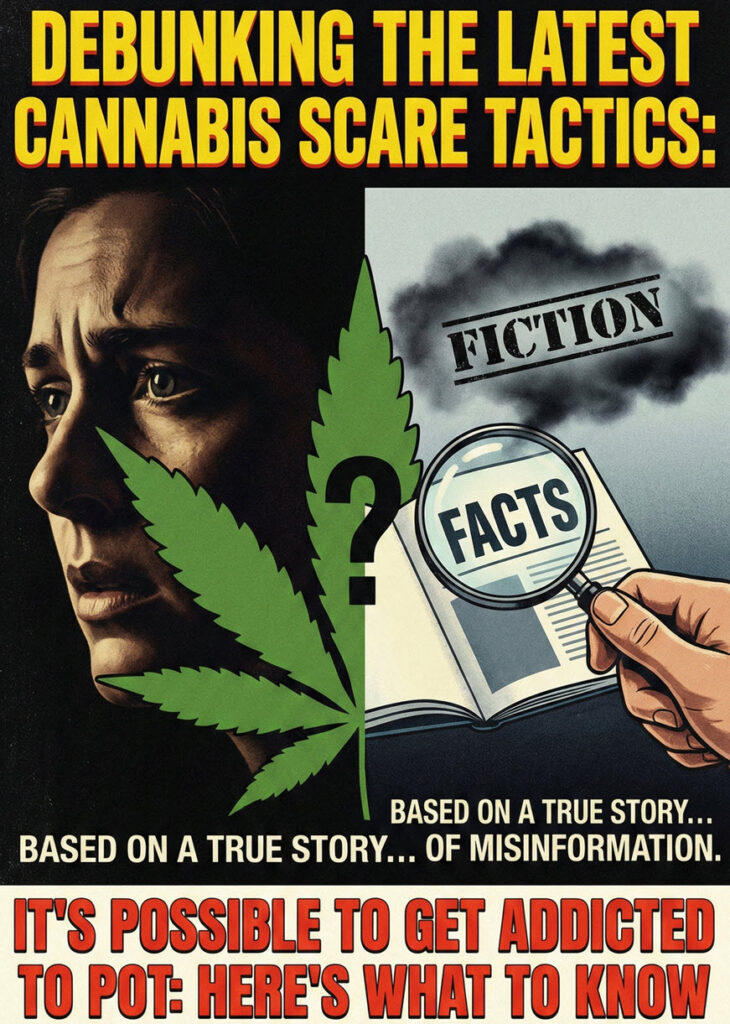
Debunking the Newest Hashish Scare Ways: A Vital Take a look at Propaganda Masquerading as Well being Information
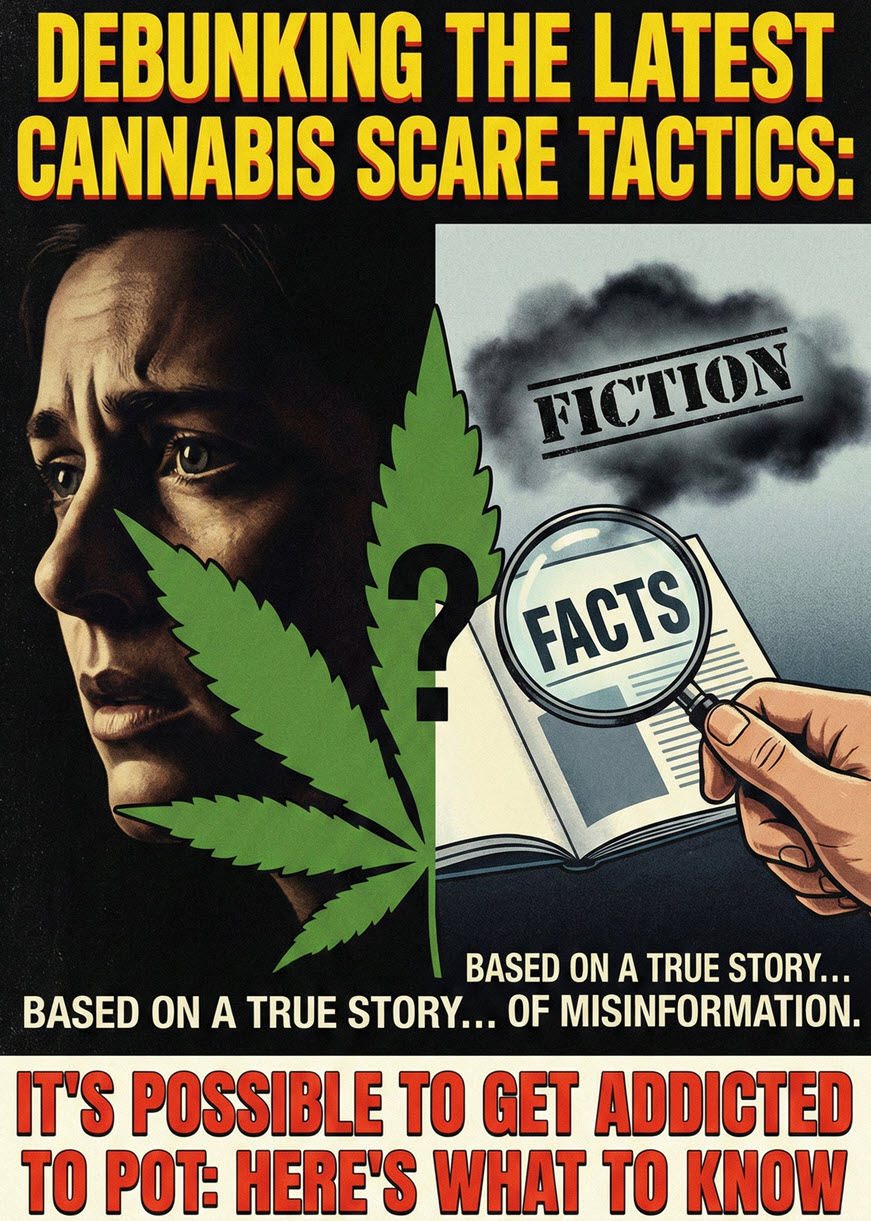
Alright, let’s discuss this text that is been making the rounds on a number of information retailers lately. You already know the one—”It is Attainable to Get Hooked on Pot: This is What to Know.” While you see the identical article getting shared throughout a number of mainstream media platforms concurrently, your propaganda detector ought to begin beeping. Mine’s going off like a five-alarm hearth.
Look, I am not right here to let you know that hashish is a few miracle substance with zero downsides. However I’m right here to name out bullshit once I see it, and this text is serving up a heaping plate of it. Let’s break down the claims, separate the misinformation from the precise details, and work out what’s actually occurring right here.
The DSM-5: Comply with the Cash
The article leans closely on “Hashish Use Dysfunction” as outlined by the DSM-5 (Diagnostic and Statistical Guide of Psychological Issues, Fifth Version). Sounds official, proper? Sounds scientific? Properly, let’s pump the brakes and take a look at who’s funding the DSM.
The fact is that a good portion of the DSM’s funding comes from pharmaceutical corporations. We’re speaking about the identical business that stands to lose billions when folks select hashish over their capsules. The identical business that is been caught repeatedly mendacity about habit potential, efficacy, and negative effects of their merchandise. The identical business that created the opioid epidemic and walked away with slaps on the wrist whereas thousands and thousands died.
Now, here is the kicker about Hashish Use Dysfunction in accordance with the DSM-5: the diagnostic standards are so broad that they’d technically classify almost each reasonable hashish person as having a “dysfunction.” Let me break this down for you.
The DSM-5 standards embody issues like:
-
Utilizing hashish in bigger quantities or over an extended interval than supposed
-
Unsuccessful efforts to chop down or management use
-
An excessive amount of time spent acquiring, utilizing, or recovering from hashish
-
Craving or a robust need to make use of hashish
-
Continued use regardless of social or interpersonal issues
Learn these standards rigorously. By this commonplace, somebody who smokes a joint each night to unwind, sometimes thinks “I ought to reduce,” and spends time going to the dispensary has a “dysfunction.” Somebody who actually enjoys their weekend smoke classes and appears ahead to all of them week? Dysfunction. Somebody who continues utilizing hashish regardless of their judgmental mother-in-law giving them grief about it? Dysfunction.
See the issue? These standards are so obscure and so broadly relevant that they pathologize regular human conduct. By this logic, we must always all be identified with Espresso Use Dysfunction, Social Media Use Dysfunction, and Netflix Binge Dysfunction.
When you’ve got a diagnostic guide funded by an business that income from maintaining hashish unlawful and demonized, it is best to take these diagnoses with a large grain of salt—particularly in the case of substances that compete with their merchandise.
The Efficiency Fantasy: Let’s Get Actual About THC
The article trots out the drained outdated declare about hashish being “as much as 40%” stronger than it was within the Sixties. That is one in all my favourite prohibitionist speaking factors as a result of it is each technically true and utterly deceptive on the similar time.
First, let’s handle the historic context. Sure, quite a lot of the hashish that circulated within the 60s and 70s was comparatively weak by at present’s requirements. However pretending that high-potency strains did not exist again then is revisionist historical past. Strains like Jamaican Purple, Acapulco Gold, Panama Purple, and Thai Stick had been legendary for his or her efficiency. These weren’t your common strains—they had been the top-shelf stuff that folks sought out particularly as a result of they had been stronger.
However here is the place I wish to focus: that “as much as 40%” declare. Discover the weasel phrases there—”as much as.” That is traditional fearmongering language that creates a misunderstanding.
While you really take a look at the statistics of hashish bought in authorized dispensaries throughout america, the typical THC content material in flower is nowhere close to 40%. We’re speaking about averages within the 15-25% vary, relying on the state and the testing methodology. And here is the place it will get fascinating: there’s been in depth documentation of dispensaries and testing labs overestimating efficiency.
Why would they do that? As a result of in an unregulated market, greater THC numbers promote higher. Shoppers have been conditioned to assume that greater THC routinely means higher product, so labs have an incentive to inflate numbers to assist their purchasers transfer product. A number of investigations have uncovered this apply, displaying that the precise THC content material is usually considerably decrease than what’s listed on the label.
So when the article throws round that “as much as 40%” quantity, they’re citing absolutely the highest finish of the spectrum—most likely together with concentrates and dabs, not simply flower—and presenting it as if it is consultant of what most individuals are consuming. It is not.
And let’s be trustworthy about what this concern about efficiency actually means: it is simply one other model of “children nowadays” ethical panic. Yeah, hashish is stronger now. You already know what else is stronger now? Beer. Wine. Liquor. We have now 90-proof whiskey and 15% ABV craft beers, however no person’s writing panic articles about how alcohol is simply too sturdy nowadays. Why? As a result of alcohol is socially acceptable regardless of being way more harmful.
The Statistics Sport: How one can Lie with Numbers
This is the place the article actually goes off the rails: “In keeping with the newest model of the Nationwide Survey on Drug Use and Well being, 7% of all folks 12 or older had hashish use dysfunction in 2024 and most had a light type. About 1 in 5 had a extreme type.”
Let’s do some fast math right here. They’re saying 7% of individuals 12 and older have hashish use dysfunction. Then they are saying about 1 in 5 of these have a extreme type. So we’re speaking about roughly 1.4% of the entire inhabitants having what they classify as “extreme” hashish use dysfunction.
However here is the factor: even in the identical article, they contradict this broad-stroke analysis. Dr. Das, who they quote extensively, admits: “Marijuana does not have an effect on everybody the identical approach, although. The identical quantity can have ‘main impacts’ on one individual’s each day life however don’t have any impression on one other individual’s. It actually comes right down to: How a lot is that substance impacting somebody’s functioning and life day-to-day?”
Wait, what? So that you’re telling me that the analysis is totally subjective and relies upon fully on particular person circumstances, however you are comfy slapping a “dysfunction” label on 7% of the inhabitants based mostly on broad standards?
That is the issue with these statistics. They’re utilizing overly broad diagnostic standards, making use of them inconsistently, after which presenting the outcomes as in the event that they signify goal medical actuality. It is the statistical equal of measuring everybody’s physique temperature, deciding that something over 98.6°F is a “fever dysfunction,” after which being shocked when an enormous proportion of the inhabitants qualifies.
The reality is that the “extreme” hashish use dysfunction they’re describing applies to a tiny fraction of hashish customers—individuals who genuinely wrestle to operate due to their consumption. These folks exist, they need assistance, and we should not disgrace them. However they are not 20% of hashish customers. They are not even shut.
What They Bought Proper (Kind of)
I will give credit score the place it is due: the coping mechanisms and methods they counsel for individuals who wish to give up or reduce on hashish use are literally fairly affordable. Issues like figuring out triggers, discovering various actions, in search of assist, and being affected person with your self are all strong recommendation for anybody attempting to alter any behavior.
The issue is that they are presenting these methods as in the event that they’re essential for almost all of hashish customers, which is solely not true. Most individuals who devour hashish achieve this responsibly, derive advantages from it, and needn’t give up and even reduce.
The Actual Speak About Hashish Dependancy
This is the trustworthy reality that will get misplaced in all of the propaganda and fearmongering: some folks do develop problematic relationships with hashish. It occurs. It is actual. These folks deserve assist, not disgrace.
Hashish habit is feasible, but it surely’s considerably rarer than these statistics counsel. While you strip away the inflated diagnostic standards and the pharmaceutical business’s monetary curiosity in demonizing hashish, you are left with a small proportion of customers who genuinely wrestle with dependence.
And sure, folks can get hooked on all types of issues. Some addictions are positively worse than others—no person’s dying from hashish withdrawal the way in which they die from alcohol or heroin withdrawal. However that does not imply we must always dismiss people who find themselves combating hashish use.
The issue is that articles like this one do not really assist these folks. They do not present nuanced, trustworthy details about danger components, warning indicators, or efficient interventions. As an alternative, they throw round scary statistics and broad generalizations that create stigma and panic moderately than understanding.
The Propaganda Sample
As I’ve gotten older, I’ve turn into more and more cynical about these coordinated media campaigns. When the identical article begins making rounds throughout a number of information retailers on the similar time, it’s a must to ask: why now? Who advantages from this narrative?
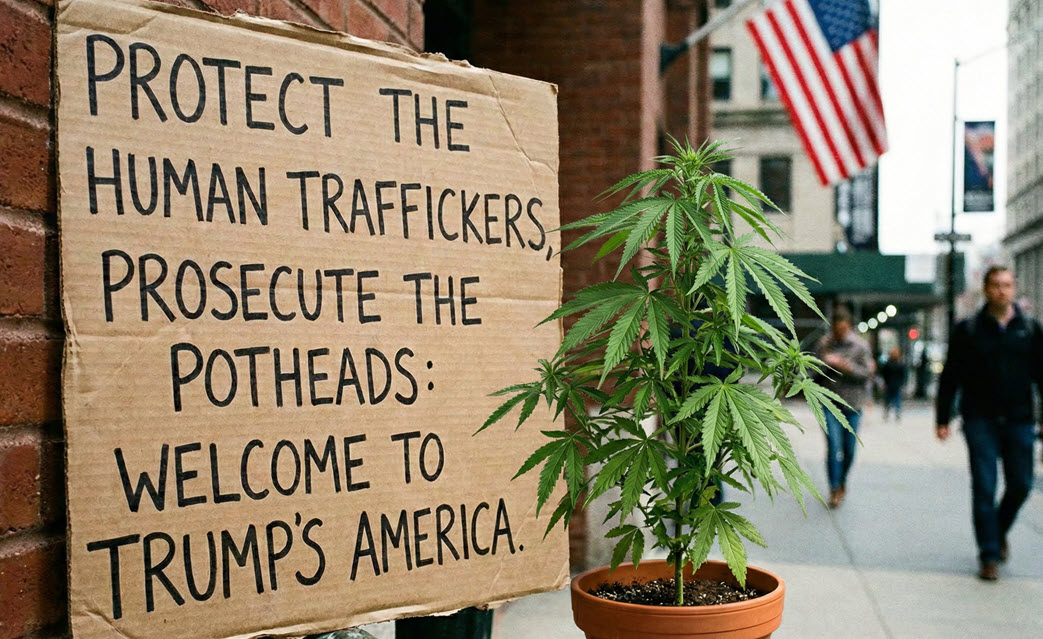
We’re seeing a transparent sample right here. The Trump administration has signaled its intention to crack down on hashish. The pharmaceutical business stands to learn from maintaining hashish unlawful or closely restricted. And out of the blue, proper on cue, we get a wave of articles about how harmful and addictive hashish is.
It is not delicate. It is not even significantly intelligent. However it works as a result of most individuals haven’t got the time or inclination to dig into the precise analysis, comply with the cash, or query the narrative they’re being fed.
The Sticky Backside Line
Look, we have to be trustworthy about hashish if we really wish to assist folks make knowledgeable selections. Which means acknowledging each the advantages and the dangers. It means admitting that sure, some folks develop problematic use patterns. However it additionally means calling out bullshit statistics, pharmaceutical business affect, and coordinated propaganda campaigns after we see them.
This text that is been making the rounds shouldn’t be trustworthy well being info. It is a rigorously crafted piece of propaganda designed to assist a renewed struggle on hashish customers. The timing is not coincidental. The exaggerated statistics aren’t unintentional. The broad diagnostic standards that pathologize regular conduct aren’t simply sloppy science.
That is narrative management. That is manufacturing consent for prohibition. This is identical playbook they have been utilizing for many years, simply with a recent coat of paint and a few up to date jargon.
So once you see these articles being shared, when your aunt posts them on Fb with a involved remark about “the risks of marijuana,” take a second to assume critically. Ask who advantages from this narrative. Comply with the cash. Query the statistics. And perhaps, simply perhaps, share a extra nuanced perspective.
As a result of the individuals who really need assistance with hashish use aren’t served by propaganda and fearmongering. They’re served by trustworthy info, accessible sources, and a society that does not deal with them like criminals for making selections about their very own our bodies.
As for the remainder of us? We’re served by recognizing propaganda after we see it and refusing to let it go unchallenged. Contemplate this your PSA: the hashish panic is again, and you are going to have to defend in opposition to this drivel.
Keep knowledgeable. Keep skeptical. And keep free.
ADDICTED TO WEED, READ ON…