A brand new peer-reviewed cattle-feeding examine is elevating pink flags over the potential use of commercial hemp plant tops as sustainable enter for livestock feed, significantly within the beef sector.
The analysis, revealed in Scientific Reviews, a Nature Portfolio journal primarily based in London, examined what occurs when cattle are fed industrial hemp inflorescence — the flower- and leaf-rich portion of the plant that incorporates the best concentrations of cannabinoids. The findings level to long-lasting cannabinoid residues in meat and fats, a consequence that would complicate regulatory approvals, legal responsibility publicity and market acceptance for some hemp-derived feed streams.
For hemp processors, feed suppliers and beef producers exploring circular-economy use instances, the examine means that not all hemp “waste” is commercially interchangeable.
Differing derivatives
Hemp seed, seed meal and stalks comprise negligible cannabinoid ranges and haven’t proven comparable residue issues in prior analysis. These supplies are structurally and chemically distinct from plant tops, and have been handled as lower-risk inputs in regulatory discussions.
From a enterprise perspective, lengthy withdrawal intervals considerably undermine the financial logic of utilizing cannabinoid-rich hemp flowers as cattle feed. Nonetheless, the findings shouldn’t be learn as an indictment of hemp feed extra broadly. In sensible phrases, the examine reinforces an rising segmentation inside hemp feed markets: seed- and fiber-based supplies might stay viable, whereas inflorescence and post-extraction biomass face a lot larger regulatory and reputational hurdles.
What was examined
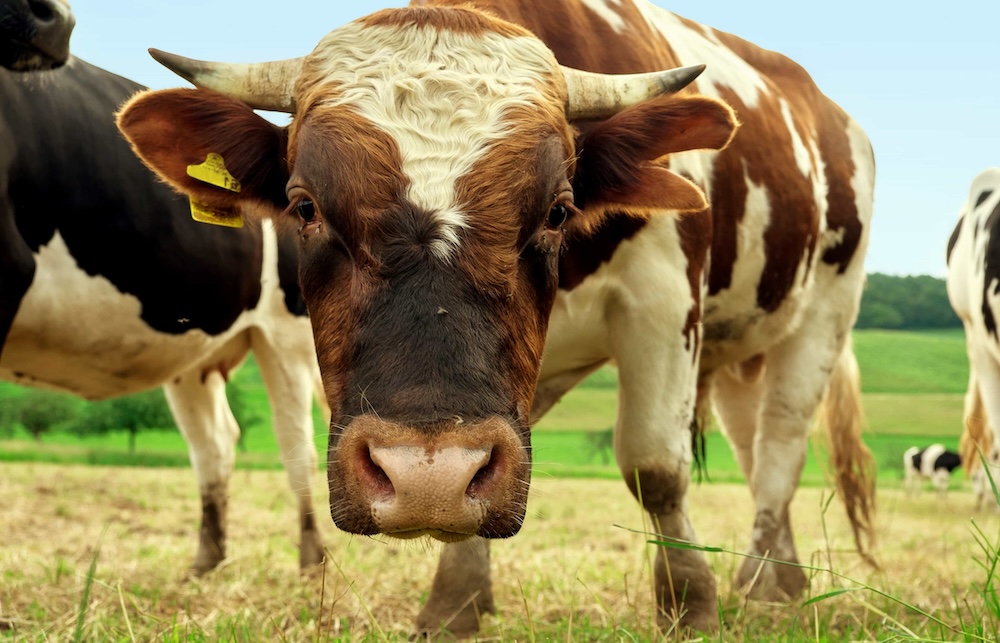
Within the Scientific Reviews examine, researchers fed 20 Holstein steers a day by day ration of commercial hemp flowers and leaves for 14 days, offering roughly 4.2 milligrams per kilogram of cannabidiolic acid (CBDA). After hemp feeding stopped, tissues had been sampled over a number of days to trace how cannabinoids dissipated from liver, kidney, muscle and fats.
The examine discovered that a number of cannabinoids endured in cattle tissues nicely after hemp feeding ended. Low ranges of delta-9 THC appeared in liver, kidney and fats tissue, whereas CBD and different cannabinoids had been current throughout all sampled tissues.
Most notably for food-safety and compliance discussions, cannabinoid depletion from fats was sluggish. Utilizing CBD as essentially the most conservative marker, the authors estimated that cattle may require a withdrawal interval of as much as 5 months earlier than residues fall to negligible ranges.
A worst-case consumer-exposure mannequin instructed that infants consuming beef fats from such animals may exceed conservative worldwide acute reference doses for THC — a hypothetical situation, however one which regulators usually take critically.
Trade implications
Close to-term outcomes the business might must cope with embody:
- Elevated regulatory scrutiny of hemp inflorescence and post-extraction biomass in livestock feed.
- Stress to segregate feed-grade hemp inputs by plant half and cannabinoid content material
- Higher legal responsibility and insurance coverage issues for beef producers utilizing cannabinoid-rich hemp supplies.
- Expanded demand for follow-on research, significantly at decrease doses and in dairy methods.
The analysis crew included scientists from Kansas State College, which has led the U.S. analysis program on hemp in livestock and contributors from establishments with regulatory- and veterinary-science experience — amongst them investigators affiliated with U.S. Meals and Drug Administration’s Middle for Veterinary Drugs and different educational veterinary analysis models.