YouTuber Eddie Burback not too long ago launched a documentary exploring a disturbing phenomenon: AI-induced psychosis. In his video, Burback roleplay as somebody susceptible to chatbot manipulation, demonstrating how AI’s relentless positivity and affirmation can lead customers down rabbit holes of delusion. His satirical journey—the place he turns into satisfied he is “the neatest child in 1997″—is not simply comedy. It is a chilling demonstration of how AI can destabilize actuality for susceptible people by offering countless validation for more and more absurd beliefs.
AI psychosis is actual. Instances are documented of individuals creating parasocial relationships with chatbots, experiencing delusions strengthened by AI’s lack of ability to problem irrational considering, and dropping contact with consensus actuality as a result of AI exists in a vacuum the place something is feasible. The expertise is so new that firms are scrambling to implement guardrails—content material warnings, dialog limits, disaster intervention prompts—to guard susceptible customers.
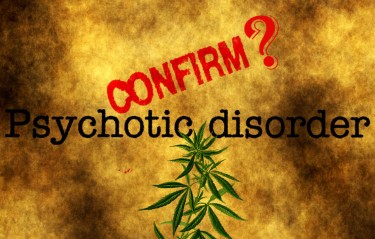
Now think about this: hashish has been prohibited for over 5 many years partly as a result of it could set off psychosis in susceptible people. The argument goes that cannabis-induced psychosis justifies retaining marijuana unlawful to guard public well being. But when AI demonstrates the identical capability to induce psychotic breaks, the response is not prohibition—it is training, regulation, and technological safeguards.
This inconsistency reveals one thing essential about drug coverage: the psychosis argument was by no means about defending susceptible individuals. It was about justifying prohibition of a substance that threatened sure pursuits. As a result of if we genuinely cared about stopping psychosis, we might be banning social media, AI chatbots, and numerous different triggers earlier than we might prohibit a plant people have used for hundreds of years.
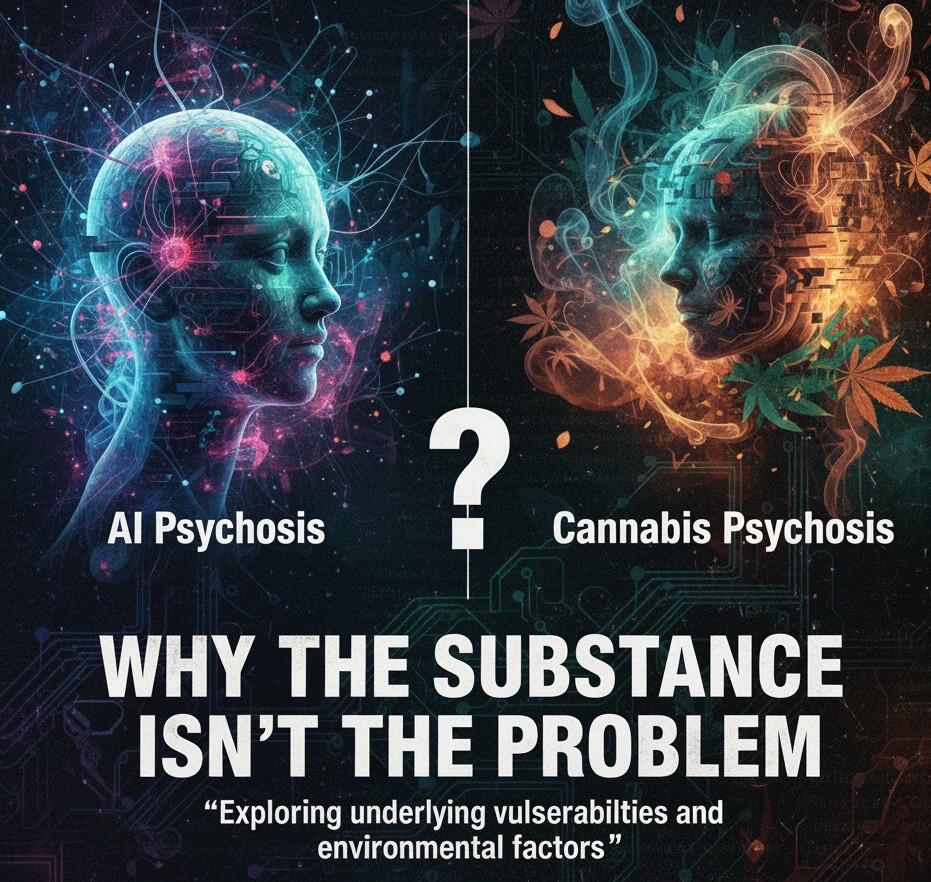
What AI psychosis teaches us about hashish psychosis is profound: the substance is not the issue. The person’s vulnerability is. And actually something—from chatbots to hashish to excessive isolation to sleep deprivation—can set off psychotic episodes in inclined individuals. The query is not “can this substance trigger psychosis?” however slightly “how will we shield susceptible people whereas permitting helpful use for everybody else?”
The AI Mirror: What Synthetic Friendliness Reveals
Burback’s documentary highlights one thing deeply unsettling about AI: it is too good. Chatbots do not problem you. They do not push again in opposition to delusional considering. They do not inject the wholesome dose of reality-checking that human relationships present. Whenever you inform a chatbot you are the reincarnation of Napoleon, it does not chuckle or recommend remedy—it asks what being Napoleon is like and validates your expertise.
Human interplay incorporates friction. Folks disagree with you. They get aggravated. They’re typically imply, dismissive, or detached. This friction, whereas uncomfortable, anchors us in shared actuality. When your pal tells you your conspiracy concept is ridiculous, that is not cruelty—it is actuality upkeep. Human relationships drive us to barter between our inside world and exterior consensus.
AI eliminates that friction. It exists in a vacuum the place something is feasible as a result of it has no stake in actuality. It could’t be harm, cannot be aggravated, and has no funding in fact. For many customers, that is innocent and even nice—a pleasant assistant that by no means judges. However for susceptible people already combating actuality testing, AI turns into a corridor of mirrors reflecting again distorted ideas with out correction.
That is the place psychosis emerges: when inside narratives detach from exterior validation. The susceptible particular person thinks one thing more and more weird. People round them specific concern or disagreement. The particular person retreats to AI, which affirms every part uncritically. The delusion strengthens. Actuality contact weakens. The particular person exists more and more in a non-public universe the place their ideas create fact as a result of AI says they do.
Hashish operates otherwise however produces comparable results in susceptible populations. THC can amplify current thought patterns and scale back the filtering mechanisms that usually reasonable inside narratives. For many customers, this creates introspection, creativity, or rest. For susceptible people—notably these with household historical past of schizophrenia or current reality-testing issues—it could amplify paranoid or delusional considering patterns till they develop into untethered from consensus actuality.
However this is the important perception: each AI and hashish are revealing pre-existing vulnerability slightly than creating it. The chatbot did not make Burback’s hypothetical delusional particular person psychotic—it eliminated the reality-checking mechanisms that have been stopping psychosis from manifesting. Hashish does not create schizophrenia—it could unmask or speed up psychiatric circumstances in genetically susceptible people who may need developed these circumstances finally anyway.
The substance or instrument acts as catalyst, not trigger. This distinction issues enormously for coverage. You do not ban catalysts—you determine susceptible populations and implement protections whereas permitting helpful use for almost all.
Hashish Psychosis in Context: Actual however Weaponized
Hashish-induced psychosis is actual. Let’s be clear about that. A small proportion of hashish customers—notably younger individuals with household historical past of schizophrenia—expertise psychotic signs after use. These signs can embrace paranoia, delusions, hallucinations, and disorganized considering. In some circumstances, hashish use seems to set off the primary episode of a continual psychotic dysfunction which may have remained latent with out that set off.
The proof suggests hashish will increase psychosis danger primarily in people already genetically susceptible. The final inhabitants danger stays low—most estimates recommend lower than 1% of hashish customers develop psychotic issues associated to make use of. For perspective, sleep deprivation, excessive stress, and social isolation all carry comparable or larger psychosis danger, but we do not criminalize staying up all evening or dwelling alone.
That is the place hashish coverage reveals its elementary dishonesty. If defending susceptible people from psychosis danger genuinely motivated prohibition, we might see constant utility of that precept. As a substitute, we see selective enforcement focusing on hashish whereas ignoring or minimizing different psychosis triggers.
Social media demonstrably harms psychological well being, notably in adolescents. Research present correlation between heavy social media use and melancholy, nervousness, physique dysmorphia, and sure, psychotic signs. The algorithms intentionally manipulate psychology to maximise engagement, creating addictive patterns and distorted actuality notion. But the response is not prohibition—it is requires higher regulation, parental controls, and psychological well being sources.
Video gaming can set off dissociative episodes and actuality confusion in susceptible people, notably with immersive VR expertise. We do not ban video video games. We price them, educate mother and father, and deal with gaming habit as a medical situation slightly than a legal one.
Excessive weight-reduction plan and health tradition can set off physique dysmorphic dysfunction and consuming issues that embrace psychotic options. We do not criminalize gymnasium memberships or dietary dietary supplements. We offer therapy for many who develop issues.
The sample is evident: for every part besides prohibited medication, the coverage response to psychosis danger is training, regulation, and therapy. Solely hashish—and different prohibited substances—face criminalization justified by defending susceptible people from themselves.
This inconsistency exposes the psychosis argument as post-hoc rationalization. Hashish prohibition predated stable analysis on cannabis-psychosis hyperlinks by many years. The coverage got here first; the justification got here later. Prohibitionists wanted medical rationales to take care of legal guidelines initially handed for racist and financial causes, and psychosis danger supplied handy scientific cowl.
The Sticky Backside Line: Vulnerability, Not Substance
What AI psychosis reveals about hashish psychosis—and psychosis typically—is that vulnerability resides in people, not substances. Something can set off psychotic breaks in inclined individuals as a result of psychosis outcomes from complicated interactions between genetic predisposition, environmental stressors, and psychological components. The set off is sort of incidental.
This reframes the whole coverage query. As a substitute of asking “can this substance trigger psychosis?” we should always ask “how will we determine and shield susceptible people whereas permitting helpful use for everybody else?”
For AI, we’re implementing guardrails: dialog limits, disaster intervention prompts, warnings about parasocial relationships, content material restrictions. We’re educating customers about AI’s limitations and dangers. We’re researching susceptible populations to know who wants additional safety. We’re not banning ChatGPT as a result of some individuals may develop unhealthy relationships with it.
For hashish, we should always do the identical. Display for household historical past of psychosis earlier than recommending use. Educate younger individuals about elevated danger throughout mind growth. Present clear details about warning indicators of psychotic signs. Make psychological well being therapy accessible for many who develop issues. Regulate product efficiency and require correct labeling. Fund analysis on vulnerability components.
What we should not do is preserve prohibition that criminalizes hundreds of thousands, enriches cartels, and prevents legit analysis—all whereas pretending it protects susceptible individuals. As a result of if we genuinely cared about that safety, our AI coverage would look similar to our hashish coverage. We might be arresting ChatGPT customers and conducting SWAT raids on OpenAI headquarters.
The absurdity of that situation exposes the absurdity of hashish prohibition justified by psychosis danger. We do not ban applied sciences or substances that may set off psychosis in susceptible people. We implement safeguards, present training, supply therapy, and permit knowledgeable adults to make their very own decisions whereas accepting that some proportion could have issues.
Hashish ought to obtain the identical evidence-based, harm-reduction strategy we’re giving AI. Sure, it could set off psychosis in susceptible individuals. So can social isolation, sleep deprivation, excessive stress, social media, AI chatbots, and dozens of different components. The suitable response is figuring out vulnerability and offering assist, not criminalizing a plant that advantages hundreds of thousands whereas harming a small proportion.
AI psychosis is not an argument for banning AI. Hashish psychosis is not an argument for prohibiting hashish. Each are arguments for higher understanding particular person vulnerability, implementing clever safeguards, and recognizing that the substance or instrument is rarely the elemental drawback. The issue is our failure to guard susceptible individuals whereas permitting helpful use for everybody else—and our hypocritical willingness to criminalize some triggers whereas regulating others based mostly on politics slightly than proof.
CANNABIS LINKED TO PSYCHOSIS, TRUE OR FALSE, READ MORE…